Calories look fine, but energy still crashes.
Awra is designed for the moment when tracking exists, but understanding still does not.
Awra connects food, sleep, hydration, activity, and symptoms into clearer daily signals so you can spot patterns instead of guessing what threw you off.
Most wellness tools split the day into separate dashboards. Sleep lives in one place. Food lives in another. Symptoms and habits sit somewhere else. The interpretation burden stays with the person using the app.
Awra is designed for the moment when tracking exists, but understanding still does not.
Awra is designed for the moment when tracking exists, but understanding still does not.
Awra is designed for the moment when tracking exists, but understanding still does not.
Awra is not trying to become another generic wellness coach. It is trying to make the data you already track easier to interpret.
Most apps
Awra
Connect food, sleep, hydration, activity, and symptoms instead of treating each category like an isolated score.
Spot repeated clusters such as poor sleep plus low hydration plus delayed meals before they blur into a vague bad day.
Awra aims to turn raw inputs into practical next-step awareness, not more dashboards you have to decode yourself.
The beta story is built around one practical outcome: leaving the app with clearer next-step awareness than you had when you opened it.
Search intent fit
This positioning matches people searching for a health tracking app, symptom tracker, health pattern tracker, or a better way to make sense of daily health data.
Track the inputs most people already pay attention to: food, sleep, hydration, activity, and how the day felt.
Instead of isolated charts, the product story is built around linked patterns and imbalances across daily inputs.
The win is not a perfect score. The win is knowing what is worth adjusting, repeating, or discussing next.
Clarity is better for conversion than broadness. The site now tells visitors who should try Awra and who should not mistake it for a medical shortcut.
Awra is presented as a self-observation and pattern-awareness product. The site avoids inflated claims, links directly to legal information, and keeps contact details visible before someone installs anything.
Trust signals should be visible before the beta download decision.
Trust signals should be visible before the beta download decision.
Trust signals should be visible before the beta download decision.
The first content cluster supports homepage conversion and captures longer-tail queries around confusing health data, daily imbalance, and signal clarity.
AWRA Team
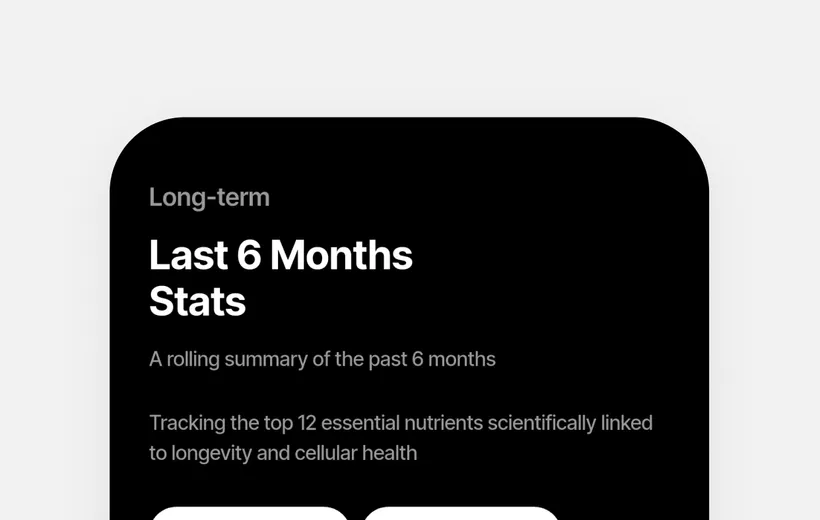
More logging does not automatically create understanding. The problem is usually fragmented signals, not lack of effort.
Read article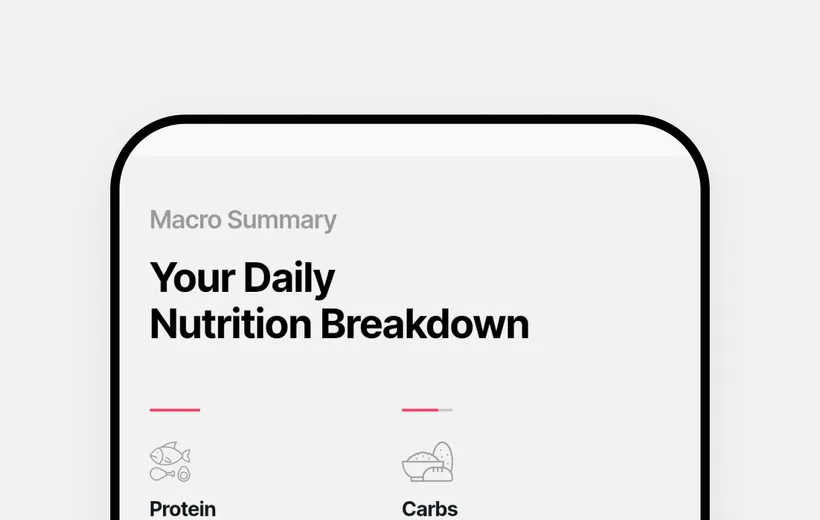
AWRA Team
The strongest signal often shows up across several parts of the day at once. Start by looking for clusters instead of isolated misses.
Read article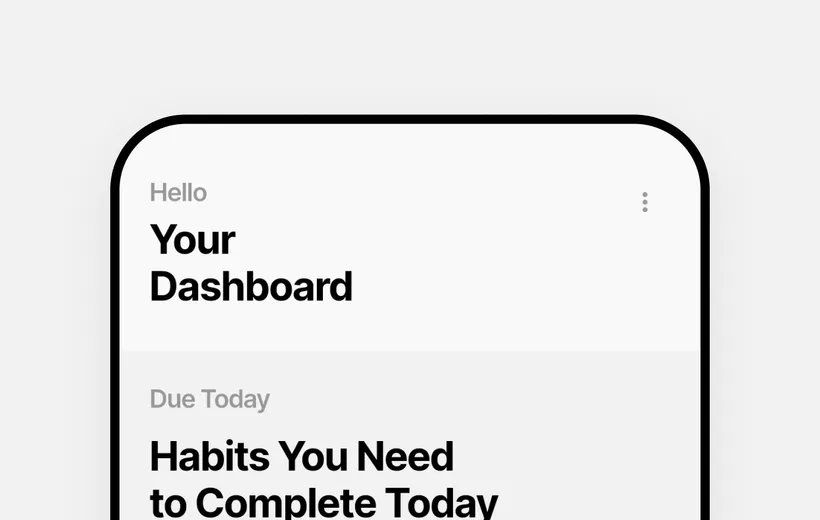
AWRA Team
A useful health app should help people understand their own patterns, not drown them in generic prompts and recycled advice.
Read articleIt sits between the two. You can think of Awra as a health pattern tracker that helps you connect food, sleep, hydration, activity, and symptoms so the story behind the data is easier to read.
The best early fit is someone who already logs at least one part of their health and wants to understand recurring patterns instead of juggling disconnected apps and notes.
No. The public copy is intentionally conservative. Awra is positioned as a tool for self-observation, pattern awareness, and better next questions.
The site links directly to the privacy policy, terms of use, support email (support@awra.info), and business address so visitors do not have to hunt for them after install.
If you already track at least part of your routine, Awra is built to help you see the pattern instead of staring at separate charts and guessing.